
Batteries
Lithium or lead-acid battery for a pallet truck or stacker?
Cycle life, charging time and charging during breaks: when a lithium battery is worth it and when maintenance-free lead-acid is enough.
2 min readAuthor: AIOLOS LIFTS
The short answer
For intensive daily use, a lithium (LiFePO4) battery usually pays off: it charges faster, can be charged at any state of charge (e.g. during a break), needs no maintenance and lasts far more cycles. According to STAXX, over 2,000 cycles, compared with 300–400 for lead-acid. For occasional use, a maintenance-free lead-acid battery (AGM or gel) has a lower purchase cost and does the job well.
At a glance
| Lithium (LiFePO4) | Maintenance-free lead-acid (AGM/gel) | |
|---|---|---|
| Cycle life (STAXX catalogue) | 2,000+ | 300–400 |
| Opportunity charging | Yes, at any state of charge | Full cycles preferred |
| Self-discharge | Low | Higher |
| Maintenance | None | No topping up, regular check of terminals |
| Charging | No gas emission | In a ventilated area (hydrogen emission) |
| Example (WS15H) | 24 V / 60 or 100 Ah, 2–4 hour charge | 24 V / 71 Ah (standard) |
Cycles, self-discharge and opportunity charging: STAXX WS15H-Li catalogue (2026). Ventilation when charging lead-acid: STAXX Vango manual.
What the differences mean in practice
Charging during breaks. A lithium battery charges at whatever level it is at, with no "memory effect". A short charge during a break adds running time without wearing the battery.
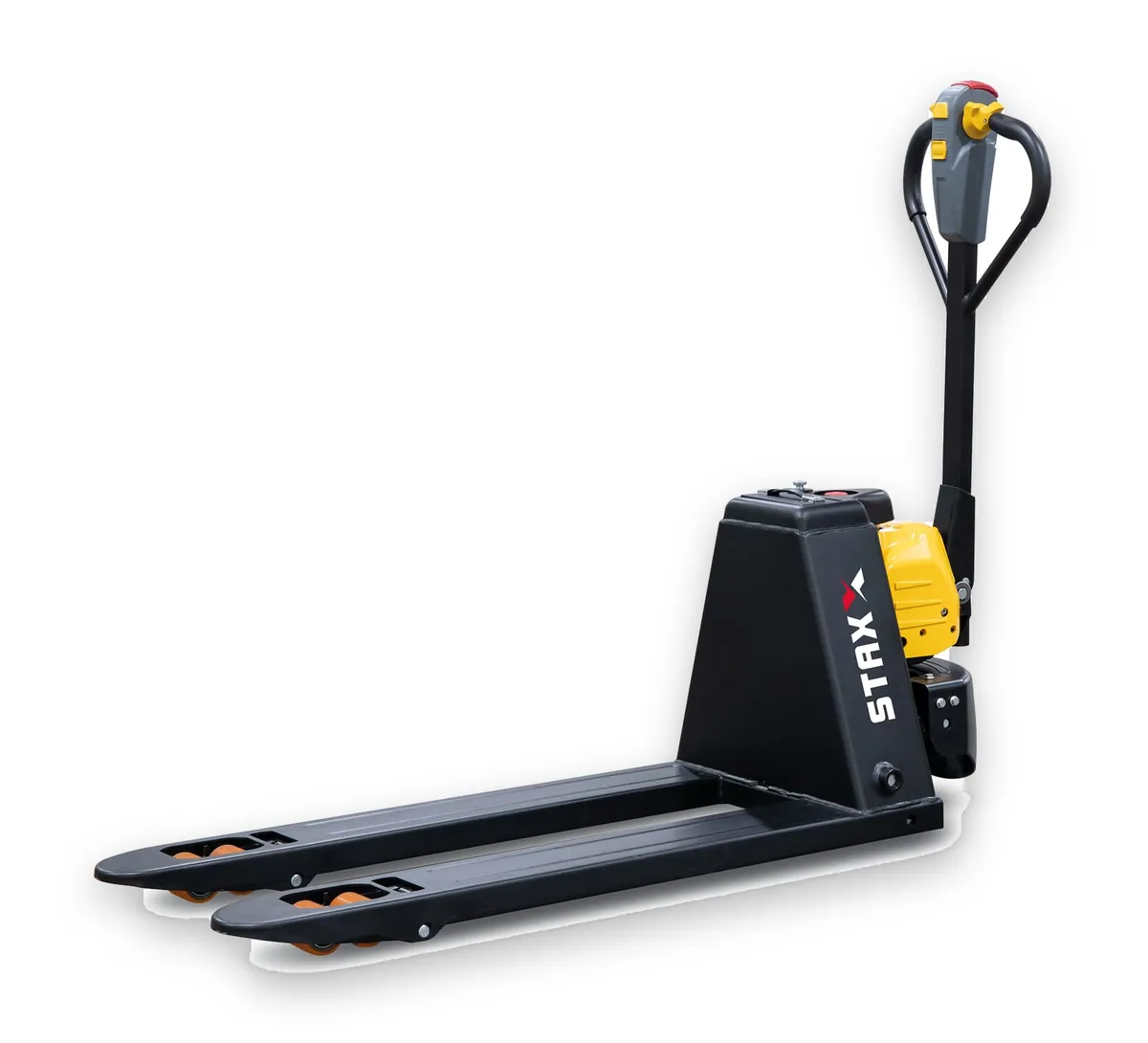
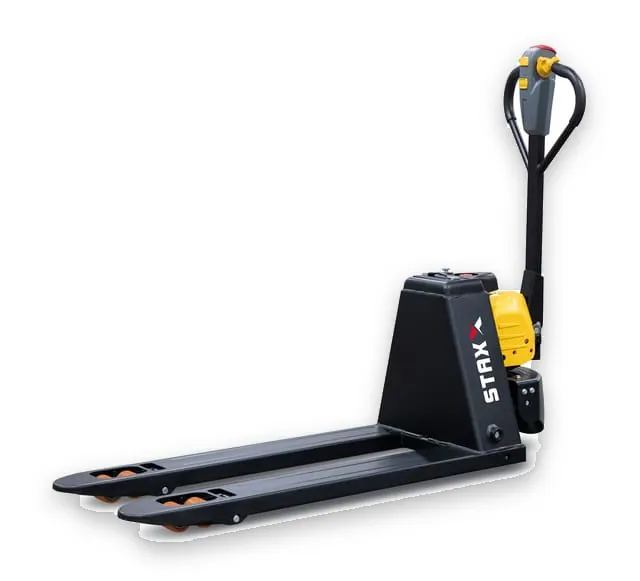
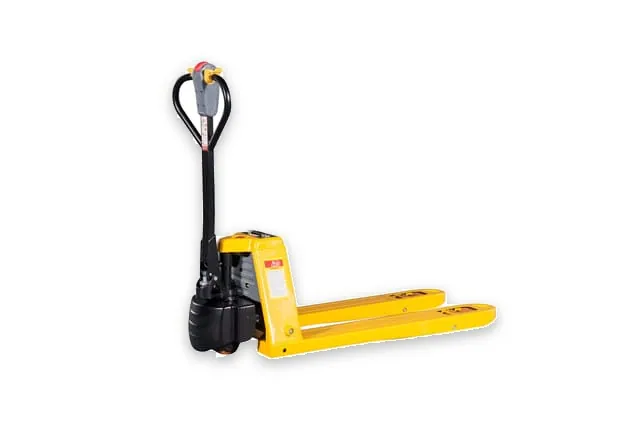
Removable battery. On the EPT/PPT series pallet trucks, the 48 V lithium battery (10 or 15 Ah) can be swapped in 6 seconds. With a spare, the machine can work continuously.
Storage. Lithium's low self-discharge means that a machine left idle for days will find its battery almost fully charged.
Lead-acid. Maintenance-free gel or AGM batteries need no topping up of fluids. However, they may emit hydrogen while charging, so they must be charged in a ventilated area, with nothing covering the machine.
When to choose which
- Lithium: multiple shifts or many hours a day, a need to charge during breaks, areas where you don't want gas emissions (e.g. food), machines that sit unused for days.
- Maintenance-free lead-acid: few movements a day, overnight charging, a focus on low purchase cost.
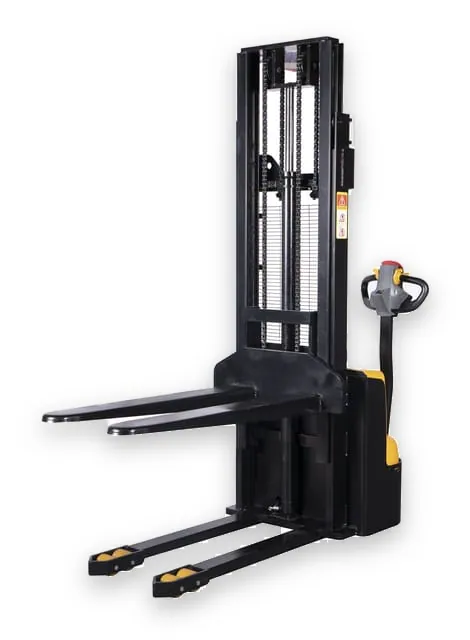
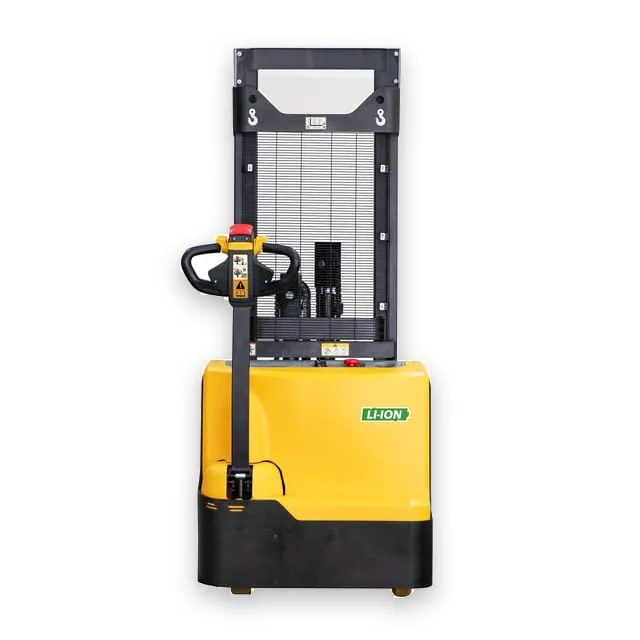
On the STAXX WS12H/WS15H electric stackers you can choose either. The version with "-Li" in its name has a lithium battery.
Tips for longer battery life
- Use the manufacturer's charger.
- Do not leave a lead-acid battery discharged for long periods.
- Check cables and terminals for wear or corrosion.
- Do not cover the machine or the charger while it is charging.
See them in action
Videos from the manufacturer's (STAXX) official YouTube channel.
Machines in this article
See photos, catalogues and CE certificates for each model.
Frequently asked questions
According to STAXX, lithium batteries typically last over 2,000 charge cycles, while lead-acid batteries last around 300–400.
Yes. Lithium batteries have no memory effect and can be charged at any state of charge, so you can charge them during breaks.
On the STAXX EPT electric pallet truck with the 5 A charger: about 2 hours for 10 Ah and 3 hours for 15 Ah. On the WS15H-Li stacker: 2–4 hours, depending on capacity.
Sources
Read next
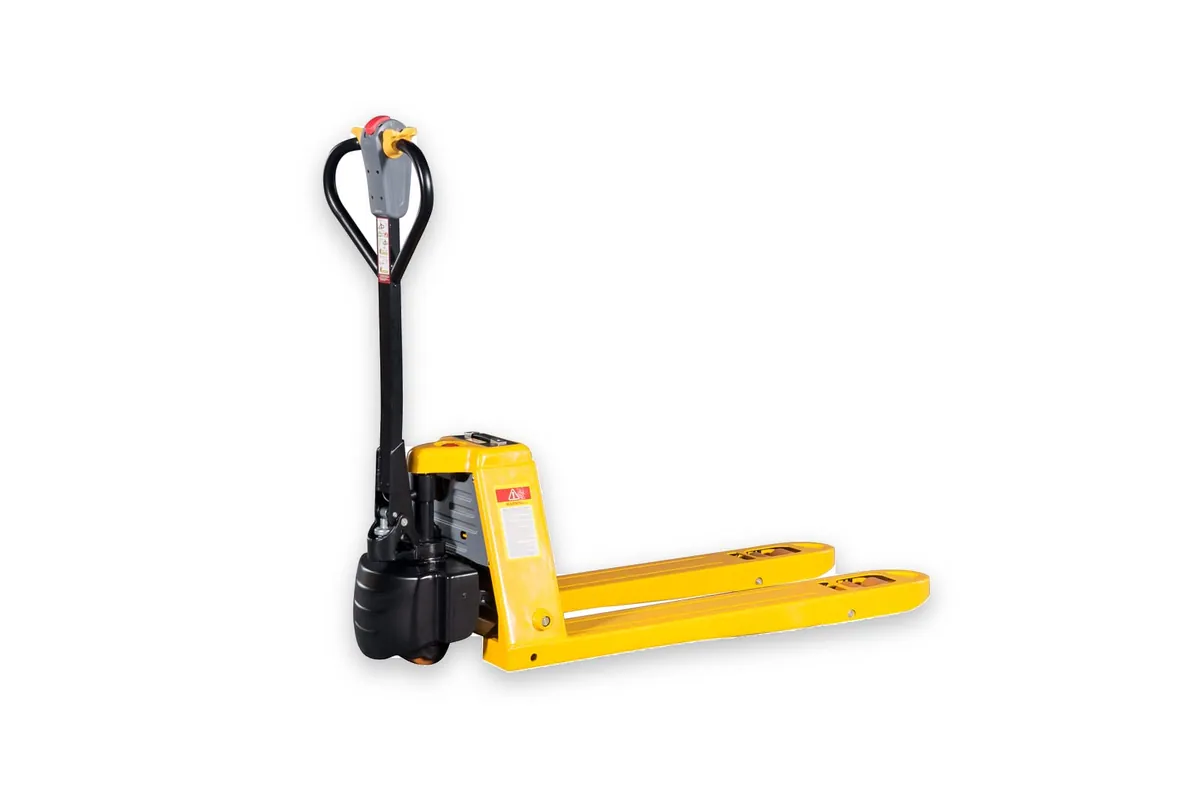
Electric pallet truck: what determines the price and what to look out for
The 6 things that change the price of an electric pallet truck, and how to request a quote that fits the work you do.
Read more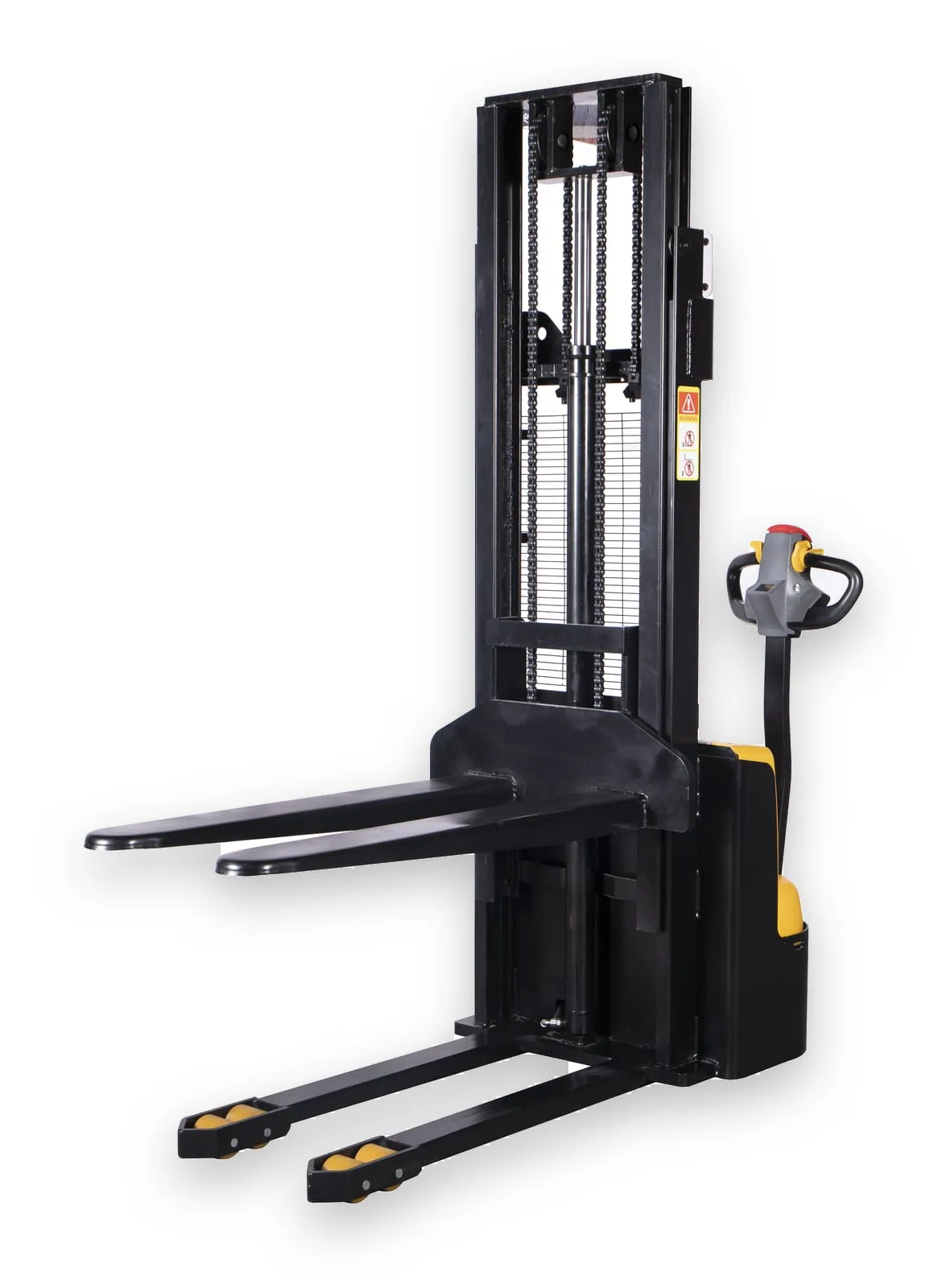
Pallet stacker: what it is and how to choose the right one
Load weight, lift height, pallet type and movements per day: the 5 questions that pick the right stacker for your warehouse.
Read more
Guidelines for correct forklift maintenance
Maintenance guidelines for forklifts with internal combustion engines: oil and filter change intervals by operating hours and the key service checks.
Read more