PPT20H, EPT15H or EPT20H: which 48 V lithium pallet truck to choose
Same 48 V lithium battery, different lifting and capacity: how to choose between the PPT20H, EPT15H and EPT20H, and whether you need 10 or 15 Ah.
Read more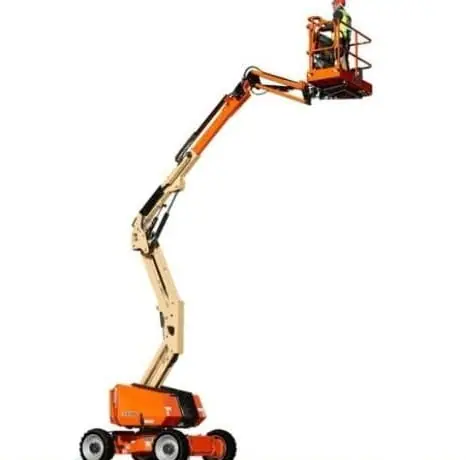
Interested in a quick quote?
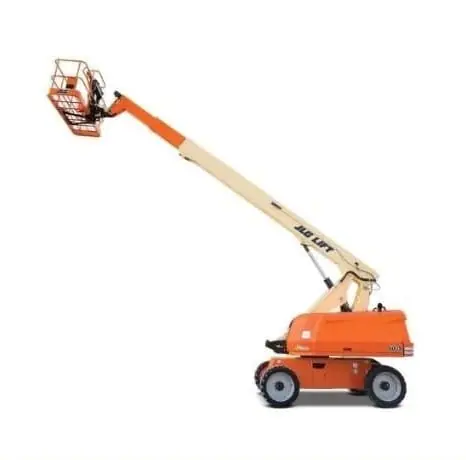
A telescopic boom lift, made up of the base and the boom sections, has an arm that “telescopes” out, extending its sections gradually from the chassis and body of the machine. Some models can reach up to 56 metres, although the most common maximum working height is around 20–30 metres on average.
Telescopic boom lifts are used when crews need to access an area cut off by rough terrain, or somewhere the machine itself cannot enter or get close to. The boom extends quickly and, in certain positions, the machine can travel with the boom fully extended.
An articulated boom lift, also known as a knuckle boom, has several sections with “joints” between them. It can unfold in ways that let the operator work around obstacles in confined spaces. The tallest articulated boom lift manufactured today has a lift height of 45 feet and an outreach of 22 metres.
Like the telescopic boom lift, the articulated boom lift can work on uneven ground, but it does not offer the same horizontal reach.
Aerial work platforms are essential when workers need to reach tight spots or move relatively light loads of tools or equipment at height. Two of the most popular types are articulated boom lifts and telescopic boom lifts. Both have hydraulic booms with considerable reach.
Any questions;
(+30) 210 800 1507 – 8Same 48 V lithium battery, different lifting and capacity: how to choose between the PPT20H, EPT15H and EPT20H, and whether you need 10 or 15 Ah.
Read more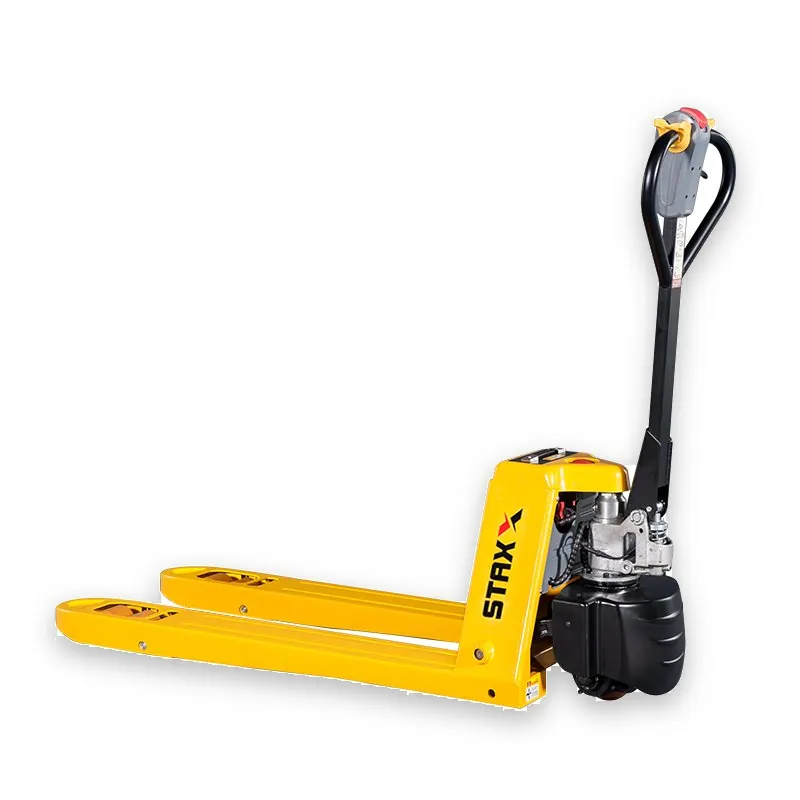
Half the current, a quarter of the cable losses, the same energy with half the Ah: what a 48 V battery means in practice and how to read V, Ah and Wh.
Read more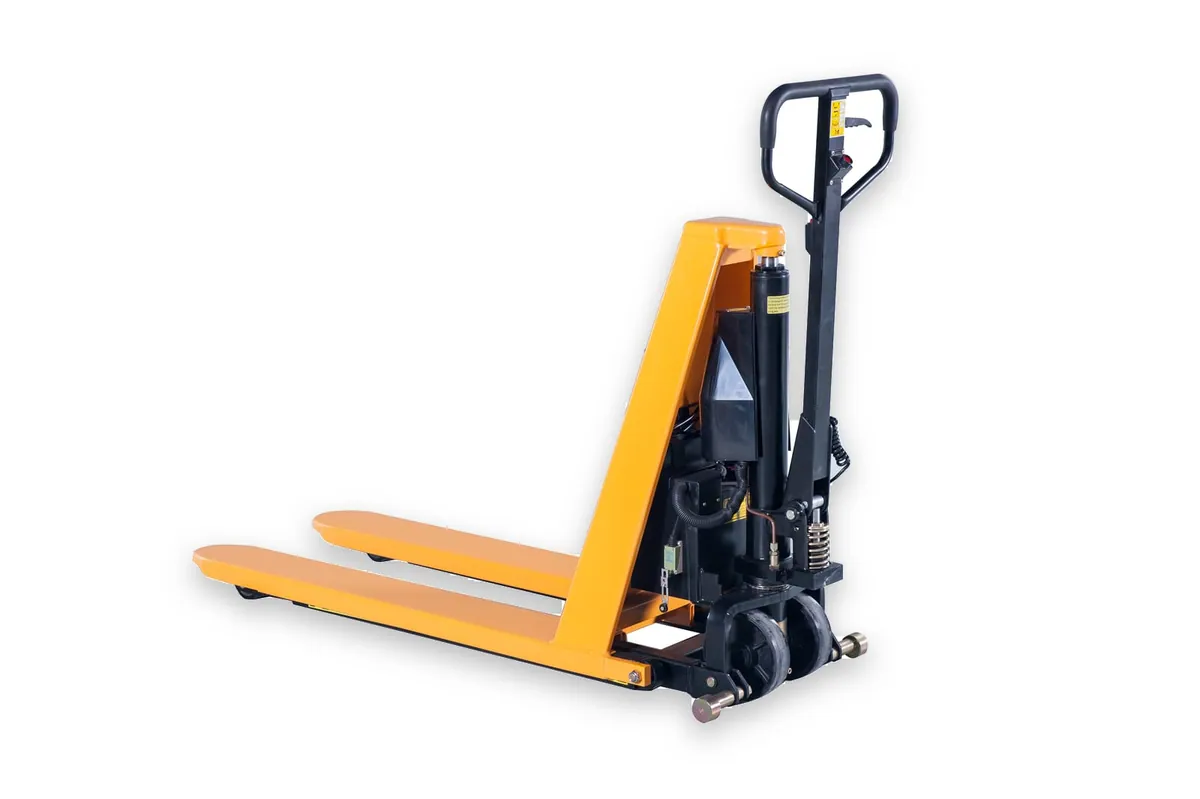
Less bending, fewer injuries: when a scissor pallet truck is the right fit, when a lift table is, and how much each one lifts.
Read more