
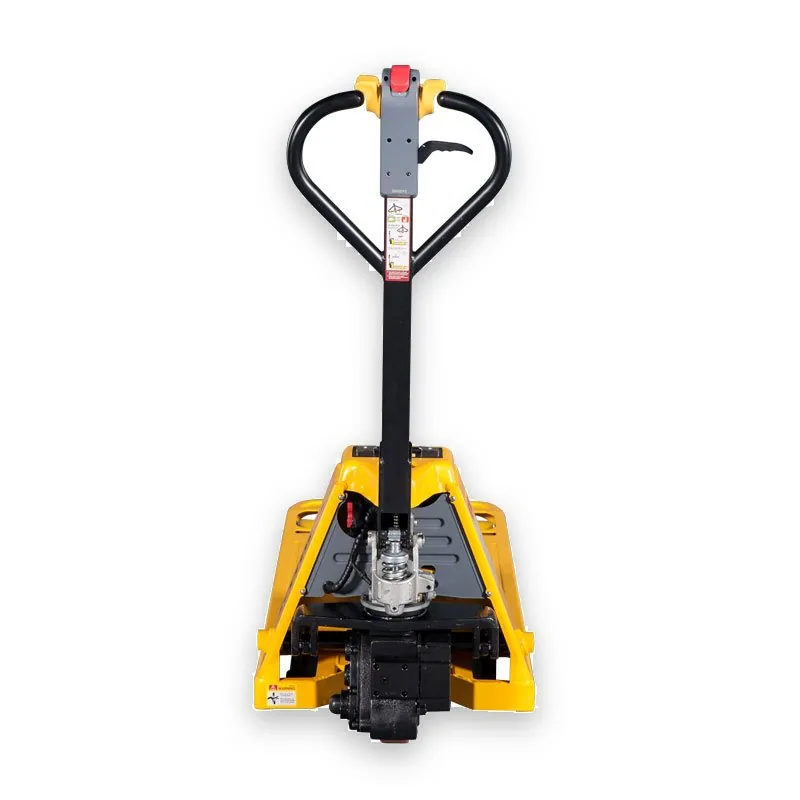
PPT20H, EPT15H or EPT20H: which 48 V lithium pallet truck to choose
Same 48 V lithium battery, different lifting and capacity: how to choose between the PPT20H, EPT15H and EPT20H, and whether you need 10 or 15 Ah.
Read more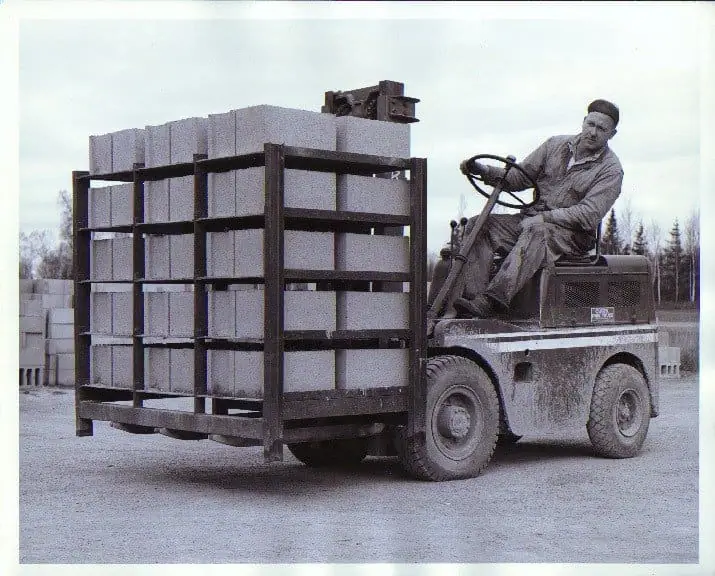
Interested in a quick quote?
From the mid-nineteenth century to the early twentieth century there were several important developments that led to today's form of lifting equipment. In those years, people used manually operated hoists to lift loads. In 1906 the Pennsylvania Railroad introduced battery-powered trucks, which it used on the platforms of its Altoona station to move luggage.
During the First World War, various types of equipment designed specifically for materials handling were developed by «Ransomes, Sims & Jefferies», a company based in Ipswich in the United Kingdom. This was partly due to the labour shortage caused by the war.
In 1917 the Clark company in the United States began developing powered tractors and powered lift trucks and using them in its factories. And yes, that is why forklifts are widely known in Greece as “klark”: buyers came to associate the company's brand name with the forklift itself…
The forklift market in the United States grew even larger after that, first with Towmotor in 1919 and later with Yale & Towne Manufacturing in 1920. The development and use of the forklift continued to expand through the 1920s and 1930s.
The introduction of hydraulic power and the development of the first electric forklifts, combined with the use of standardised pallets in the late 1930s, helped make forklift trucks increasingly popular.
The outbreak of the Second World War led to even wider use of forklift trucks, this time to support the war effort of the United States.
The end of the war brought specific changes with it, as more efficient ways of storing goods in warehouses were put into practice. The new warehouse conditions called for a more manoeuvrable forklift truck that could reach greater heights, and new forklift models were created to meet this need. For example, in 1954 the British company Lansing Bagnall, now part of KION Group, developed the first electric narrow-aisle pallet truck. This development changed warehouse design, leading to warehouses with narrower aisles and higher stacking, and therefore greater storage capacity.
During the 1950s and 1960s, as forklifts became able to lift higher, a new issue came to the fore: operator safety. As a result, forklifts evolved and gained new safety features, such as the load backrest at the rear of the load area and the overhead guard above the operator's position.
In the late 1980s forklifts improved even further with the production of new, ergonomically designed models, which increased operator comfort, reduced injuries and raised productivity.
During the 1990s the issue of exhaust emissions from forklifts came to the fore. To address it, specific exhaust emission standards were created. These standards applied worldwide and were adopted by most forklift manufacturers.
Other recent improvements include AC-powered forklifts and the use of fuel cell technology.
In 2011 the forklift industry was worth almost 27 billion dollars.
Source: wikipedia
Any questions;
(+30) 210 800 1507 – 8Same 48 V lithium battery, different lifting and capacity: how to choose between the PPT20H, EPT15H and EPT20H, and whether you need 10 or 15 Ah.
Read more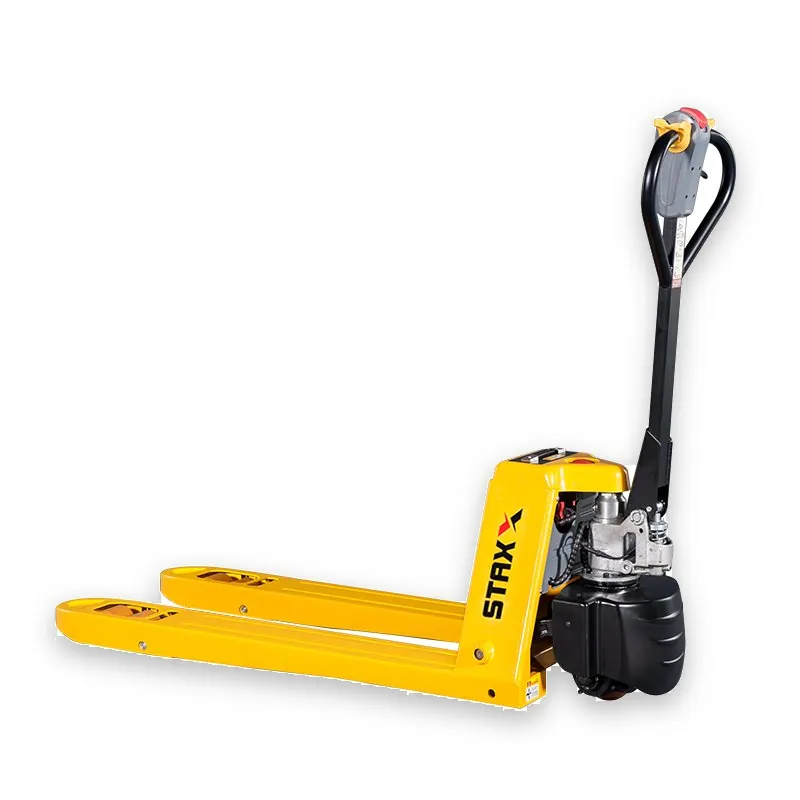
Half the current, a quarter of the cable losses, the same energy with half the Ah: what a 48 V battery means in practice and how to read V, Ah and Wh.
Read more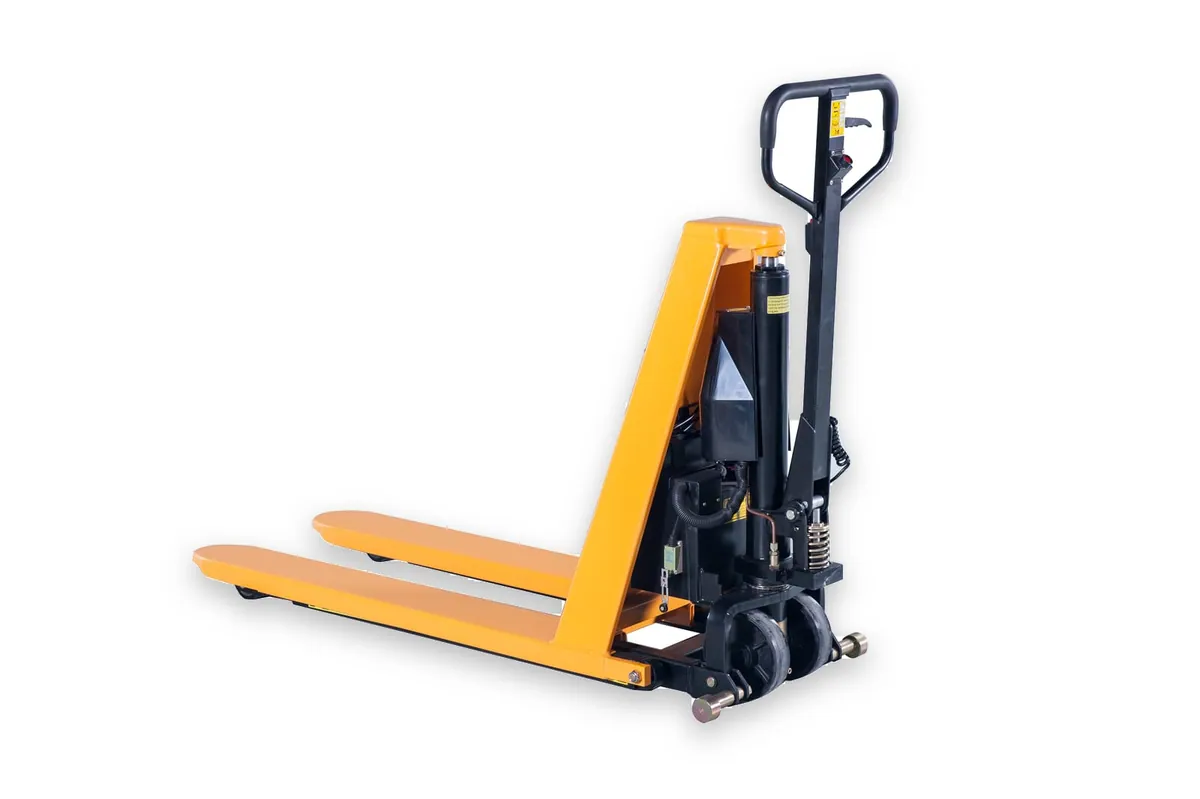
Less bending, fewer injuries: when a scissor pallet truck is the right fit, when a lift table is, and how much each one lifts.
Read more